
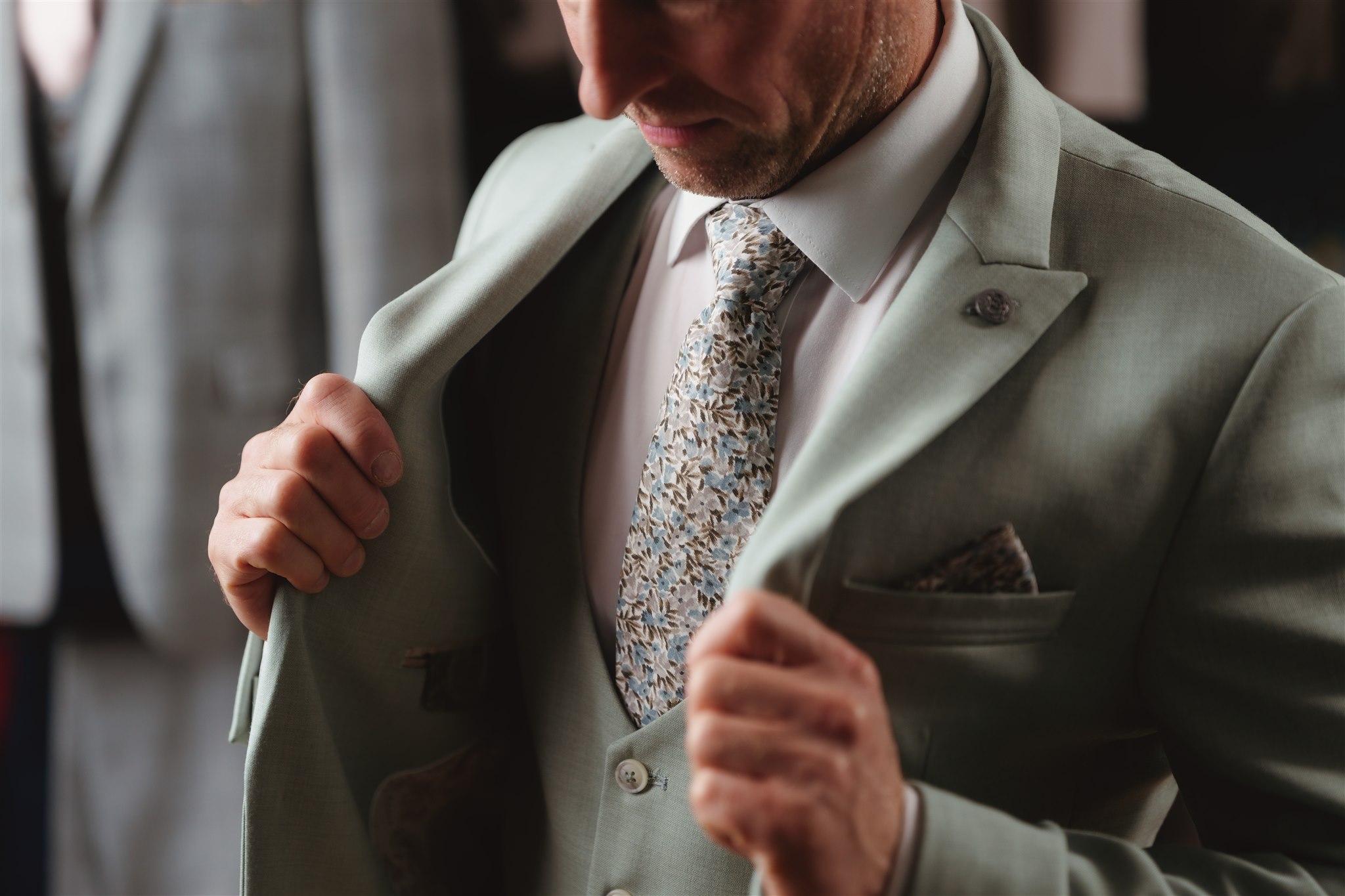
If the last time you wore a suit was at school, or you've never bought one before, walking into a suit shop can feel a little daunting. Slim fit, tailored fit, two-piece, three-piece, lapels, linings… there's quite a lot of terminology for something that initially looks like a jacket and trousers!
The good news? You don't need to know anything about suits before you start shopping. A good menswear retailer should help you understand your options, not expect you to arrive knowing exactly what you want.
First things first, what do you actually need the suit for?
Before worrying about colours, fabrics or styles, think about where and when you'll be wearing it.
Is it for a wedding? A job interview? Work? A formal event? Or do you simply want a good suit in your wardrobe for whenever the occasion calls for one?
This matters because a suit that looks brilliant for a summer wedding might not be the most practical choice for regular office wear.
If you're buying your first suit and want something versatile, navy or charcoal can be a good starting point. Both work across a variety of occasions and can be styled differently depending on your shirt, shoes and accessories.
That doesn't mean you have to choose something conventional, particularly if you're buying for a specific occasion. It's your suit, after all.
What's the difference between a two-piece and a three-piece suit?
Thankfully, this one is straightforward.
A two-piece suit consists of a jacket and trousers. A three-piece adds a waistcoat.
A waistcoat can create a slightly more formal look and gives you another option when you take your jacket off, but it isn't essential.
For a first suit, think about how often you'll actually wear the waistcoat. If you love the look, go for it. If you're unlikely to wear it again, there's no reason to feel you need one.
How should a suit actually fit?
This is arguably more important than the price, brand or fabric.
A well-fitting, reasonably priced suit can look considerably better than an expensive one in the wrong size.
A few things to look for:
• Shoulders: The jacket should sit comfortably across your shoulders without obvious overhang or pulling.
• Chest: You should be able to button the jacket without it feeling restrictive or creating excessive tension.
• Sleeves: Your jacket sleeves should allow a little shirt cuff to show, although personal preference plays a part.
• Trousers: They should sit comfortably at your waist without relying on a belt to hold them up.
• Length: The trousers should fall neatly over your shoes, with the amount of break depending on your preferred style.
And don't just stand in front of the mirror!
Sit down, walk around, raise your arms a little. You're going to be wearing the suit, not posing in it all day.
It's also worth remembering that not every fit issue can be solved by alterations. Starting with the right size and overall shape is important.
Do I need to know my suit size before visiting a shop?
Not at all.
Suit sizing can vary between brands and styles, so knowing that you're usually a particular size is helpful, but it's certainly not definitive.
A good stylist should be able to help establish your starting size and suggest different fits to try.
Don't be disheartened if the first suit isn't quite right. That's exactly why you try them on.
Should I hire or buy my first suit?
That depends largely on why you need it.
If it's for a single occasion and you're unlikely to wear it again, hiring may make more financial sense.
If you're starting a new job, regularly attending formal events or want something versatile in your wardrobe, buying could offer better long-term value.
There isn't a universal answer, and buying isn't automatically better simply because you get to keep the suit.
Ask yourself whether you can realistically see yourself wearing it again.
If you're preparing for a wedding, read How much does a complete wedding suit actually cost?.
How much should I spend on my first suit?
There's no magic number, and you certainly don't need to spend a fortune to look good.
You might find a high-street suit for around £99, while other options can run into several hundred pounds or considerably more. The important thing is understanding what you're getting for your money and whether it meets your needs.
Start by setting a budget for the whole outfit, not just the jacket and trousers. You may also need a shirt, shoes, tie and perhaps alterations, depending on what you already own.
My advice would be to prioritise fit, comfort and versatility over the label or price tag. A reasonably priced suit that fits you beautifully can look far better than an expensive one that doesn't.
And if this is your first suit, there's absolutely nothing wrong with starting modestly. You can always build your wardrobe over time.
To understand what you're paying for, read Why are some suits £99 and others £800 or more?.
Do I need to make an appointment to visit a suit shop?
It depends on the retailer.
Some operate primarily by appointment, while others welcome customers who simply want to pop in and browse. It's worth checking beforehand if you're planning a visit.
At Pure Suits, you're always welcome to pop in during showroom opening hours without booking. Browse at your own pace, try on suits and perhaps enjoy a drink at the Menswear Bar. At busy times, you may need to wait for a stylist. Prefer to plan ahead? Our initial consultations are complimentary, and an appointment reserves dedicated time. We recommend booking for larger wedding parties, scheduled measurements and final fittings.
What's the biggest mistake first-time suit buyers make?
I'd say it's choosing a suit because they think it's what they should wear, rather than something they actually feel comfortable and confident in.
A suit doesn't have to make you feel like a different person.
Try different styles, ask questions, establish a budget you're happy with and take your time.
You don't need to become an expert in menswear before buying your first suit. That's what the experts are there for.