
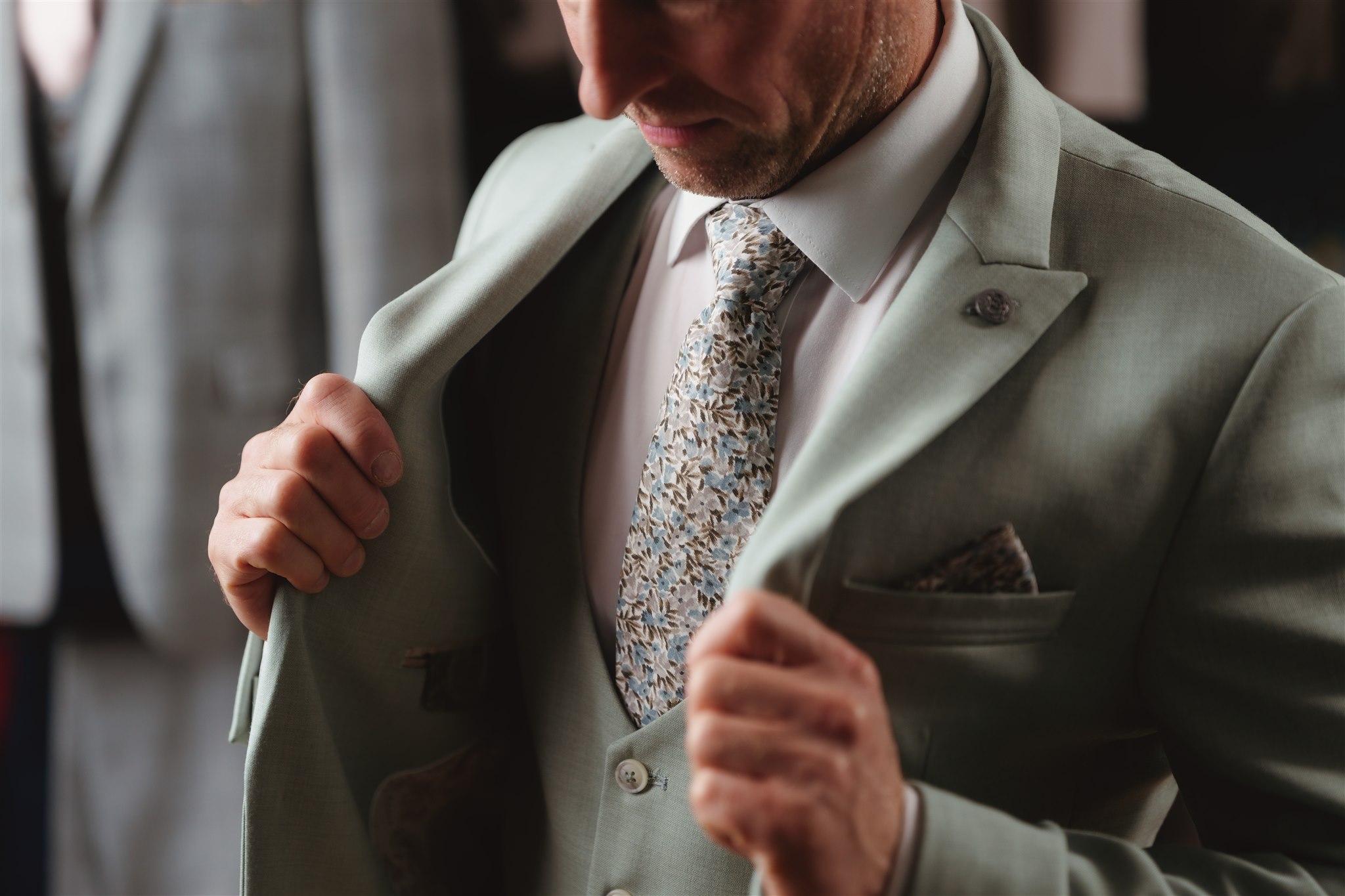
You can buy a suit for around £99 at some high-street retailers, spend several hundred pounds on something Ready-to-Wear, or pay considerably more for personalised tailoring.
So how much do you actually need to budget?
It depends on what you're buying, what you need it for and whether the advertised price includes everything you want. A jacket and trousers might be all you need, or you might be starting from scratch and need the entire outfit.
Here's what to consider before deciding how much to spend.
How much should I pay for a two-piece suit?
A two-piece is simply a matching jacket and trousers, and it's a sensible starting point if you're buying your first suit.
You don't need to buy the most expensive option you can afford. Try a few different fits, look at how the jacket sits across your shoulders and check that you're comfortable when you sit down and move around.
For a real-world price comparison, Ready-to-Wear jacket and trousers at Pure Suits start at £175, with customers typically spending £299–£399.
Prices vary between retailers, so check what's included rather than comparing the figures on two price tickets without looking at the actual suits.
How much is a three-piece suit?
A three-piece adds a matching waistcoat to the jacket and trousers.
You'll generally pay more for that extra piece, but there's no standard amount. Some shops advertise a complete three-piece price, while others price the waistcoat separately.
It's worth checking this before getting attached to a particular outfit. If you've seen a suit displayed with a waistcoat, don't assume it's included in the advertised price.
A waistcoat can look particularly smart for a wedding, but it's a choice rather than a requirement. A well-fitting two-piece can look just as good.
Can I get a decent suit for £200?
Yes. You can find a good-looking, well-fitting suit within that budget. Just be clear about whether you're allowing £200 for the suit itself or for the complete outfit.
To put that into context, Pure's entry-level Ready-to-Wear jacket and trousers are £175. If you have a £200 budget and also need a shirt, shoes, tie and alterations, you'll need to consider how those additional costs will be covered.
If you already own a suitable shirt and shoes, there's no reason to replace them.
And don't dismiss a suit simply because it costs less than another one you've tried. Fit, comfort and whether you'll actually wear it again are far more useful things to think about than the price tag alone.
For more on price and value, read Why are some suits £99 and others £800 or more?.
What else should I include in my budget?
Before buying, work out which parts of the outfit you need:
• Jacket and trousers
• Waistcoat, if you'd like a three-piece
• Shirt
• Tie or bow tie
• Shoes and belt
• Any accessories you'd like to add
• Alterations, if required
If you're buying for a wedding or another particular occasion, ask the retailer for the total price of the outfit you've chosen.
It's much easier to make a sensible decision when you know the final amount, rather than finding out afterwards that several things you thought were included cost extra.
Planning a wedding outfit? Read How much does a complete wedding suit actually cost?.
What about Made-to-Order suits?
Made-to-Order is worth exploring if you want more say over the design of your suit.
The process varies between retailers, so ask what you can personalise and how the fitting works.
At Pure Suits, Made-to-Order starts at £649, with a typical spend of £749–£989. You choose details such as fabric, lining, buttons and lapels, then try on an existing master suit to establish your fit before your order is manufactured.
It's a different proposition from buying an existing suit, but it isn't automatically the right choice because you're spending more.
If you find a Ready-to-Wear suit that you really like, fits well and does everything you need it to, there's no particular reason to look further.
Would hiring be cheaper?
It might be, especially if you need a suit for one occasion and don't expect to wear it again.
Just remember that you're comparing two different things. With hire, you return the garment afterwards. When you buy, it's yours to keep and wear again.
Compare the cost of the whole outfit, not just the advertised starting price for each option.
For a closer comparison, read Hiring vs Buying a Wedding Suit: Which is Right for You?.
So, what should I spend?
I'd start with three questions:
1. What's my total budget, including anything I need to wear with the suit?
2. Is this for one occasion, or am I likely to wear it regularly?
3. Have I allowed for any alterations?
Then try on suits within that budget, including a few different cuts if you can.
You might find that the first suit you like is comfortably within what you planned to spend. If it fits properly and you're happy with it, there's no need to keep spending just because you could.
Buying your first suit? Read I know nothing about suits. Where do I start?.